
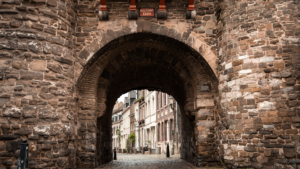
Hell Gate of Maastricht
Helpoort, also known as the Hell Gate, is the oldest surviving city gate in the Netherlands. Built in the 13th century, it was once part of Maastricht’s medieval city walls and played an important role in protecting the city from attacks.
A gateway to the medieval city
The Hell Gate was originally constructed as a defensive entrance to Maastricht. Its strong stone walls, towers and narrow passageways were designed to help defend the city during the Middle Ages.
Today, the gate remains one of the best-preserved examples of medieval military architecture in the Netherlands and offers visitors a glimpse into Maastricht’s past.
A symbol of history and preservation
What makes the Hell Gate so special is its historical significance and unique appearance. The dark stone structure and medieval design create a strong contrast with the modern city surrounding it.
Over the centuries, the gate has survived wars, changes in the city and the passage of time, becoming an important symbol of Maastricht’s heritage.
A place for visitors and locals
Today, the Hell Gate is both a tourist attraction and a cultural landmark. Visitors often stop to admire the architecture, learn about the city’s history and explore the nearby parks and old streets.
The area around the gate is calm and historic, allowing people to experience a different side of Maastricht away from the busy city centre.
Conclusion
The Hell Gate is more than just an old city gate. It is a reminder of Maastricht’s medieval history and the importance of preserving historic monuments. With its impressive architecture and rich past, it remains one of the city’s most fascinating landmarks.